
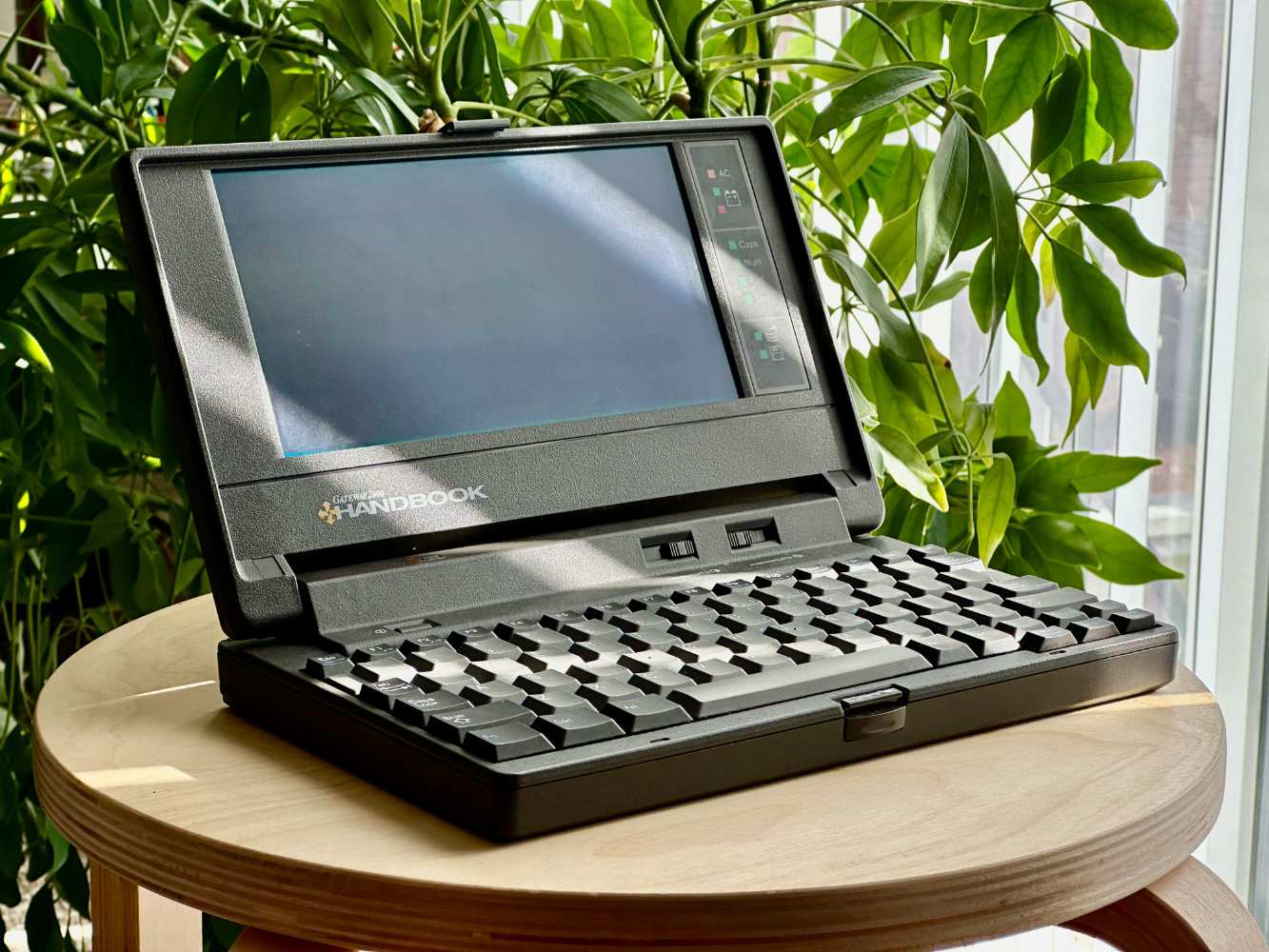
If you’ve got a Windows 10 PC, continuing to use it has quietly become a security risk with Microsoft ending support. The good news is that there’s a free solution that can breathe new life into older machines.
Microsoft cut off support for Windows 10 in October of 2025, meaning it no longer receives security updates or technical assistance for free. It’s estimated over 500 million PCs worldwide are unable to receive the Windows 11 upgrade.
Most of the machines still running Windows 10 are likely those that don’t meet the hardware requirements for Windows 11, leaving users stuck between shelling out hundreds for a new computer or continuing to use an unsecure platform.
A simple way to think of this is living in a house where the locks aren’t changed. It might be secure from threats for a little while, but there’s definitely reasons to worry about its security over time.
How do I check if my machine is affected?
An easy way to check is going to Settings and clicking Windows Update. If it says, “Your version of Windows has reached the end of support”, it’s still running Windows 10 and won’t receive any more updates.

Enter ChromeOS Flex
ChromeOS Flex is Google’s gambit to gain some market share from these affected machines. It’s a free operating system that replaces Windows on your existing computer and has some impressive performance benefits for older machines.
Google says the operating system boots up in under 10 seconds thanks to most of the processor load is handled in the cloud.
Instead of solely relying on an old computer’s processor and hardware, much of the actual processing in ChromeOS Flex happens on a cloud server.
This solution will help to divert many machines away from ewaste, keeping old computers running for longer.
Should I swap to ChromeOS Flex?
If most of your computing revolves around online browsing, email, streaming, and other web-based tasks, ChromeOS Flex might be a great solution.
It’s not ideal for specialist software or intensive tasks like photo and video editing. Nor is it a good option for gamers.
Can I install it on my computer?
The good news is it’s completely free to download, install, and use ChromeOS Flex.
The bad news is it’s a bit of an involved process – but with a bit of patience it’s very achievable.
The first thing to do is check if your machine is on Google’s Certified Models list here. If it’s not certified, it might still work but performance issues can be expected.
The minimum specs are a 64-bit x86-64 Intel or AMD processor, at least 4GB of RAM and 16GB of storage.
The vast majority of Windows 10 laptops should meet these requirements. However, very old devices made around or prior to 2012 are likely to result in a less-than-ideal experience.
ARM laptops like Surface devices, budget machines, and newer thin-and-light laptops do not support ChromeOS Flex.

How do I install ChromeOS Flex?
You can download the utility and create the installation USB for free by following the instructions here. This help page has all the information you need including step-by-step instructions.
After creating the installation media you can boot directly from it to explore ChromeOS Flex before you commit to replacing Windows with it.
What’s the catch?
ChromeOS Flex isn’t the full ChromeOS experience like you’d find on a Chromebook machine. It’s not compatible with Android apps or Google Play store apps, so it’s important to make sure it suits your typical computer usage.
Something worth considering is that Google will have even more telemetry on your computer usage since the cloud server handles data processing. It’s likely to be a fairly secure option, but your privacy is important, too.
The free upgrade might be worth checking out to see if it suits your needs before you go out to buy a brand new computer.





Comments